Rhode Island's real estate market offers something rare for investors: affordable entry points, strong rental demand, and property types — like the iconic triple-decker — that are practically designed for cash flow. But getting financing for investment properties is different than buying your primary residence. Here's what you need to know.
At Best Financial Mortgage Services, we've helped investors across Rhode Island build portfolios using the right financing strategies. Whether you're buying your first rental in Cranston or adding a multi-family in Providence, understanding your loan options is the first step to building wealth through real estate.
Investment Property Loans vs. Primary Residence Loans
Lenders view investment properties as riskier than owner-occupied homes. If times get tough, borrowers are more likely to default on a rental than their own home. This risk translates to stricter requirements:
Higher Down Payments
- Primary residence: As low as 3-3.5% down
- Investment property: Typically 15-25% down
- Multi-family (5+ units): Often 25-30% down
Higher Interest Rates
Expect investment property rates to be 0.5% to 1% higher than owner-occupied loans. On a $400,000 loan, that's $100-200 more per month in interest.
Stricter Qualification
- Higher credit score requirements (typically 680+)
- Lower debt-to-income ratios
- More cash reserves required (often 6 months per property)
- Proof of landlord experience (sometimes required)
Loan Options for Rhode Island Investors
Conventional Investment Loans
The most common option for 1-4 unit properties. Fannie Mae and Freddie Mac set the guidelines, but individual lenders add their own overlays.
Requirements:
- 15-25% down payment
- 680+ credit score preferred
- Debt-to-income ratio typically capped at 45%
- 6 months reserves per property
Best for: Investors with strong credit, documented income, and sufficient cash for down payment and reserves.
DSCR Loans (Debt Service Coverage Ratio)
DSCR loans qualify based on the property's income, not your personal income. This is a game-changer for self-employed investors or those with multiple properties.
How it works:
- Lender calculates the property's rental income
- Divides by the mortgage payment (PITIA)
- DSCR of 1.25 means the property generates 25% more income than the mortgage costs
Requirements:
- 20-25% down payment
- DSCR typically 1.20-1.25 or higher
- Property must be cash-flow positive
- Rates 1-2% higher than conventional
Best for: Self-employed investors, those with multiple properties, or anyone whose personal income doesn't reflect their investing ability.
Portfolio Loans
Some lenders keep investment loans in their own portfolio rather than selling them to Fannie Mae or Freddie Mac. This allows more flexibility.
Advantages:
- Can finance properties that don't fit conventional guidelines
- More flexible on credit and income
- May allow more than 10 financed properties
Disadvantages:
- Higher rates and fees
- Shorter loan terms sometimes
- More stringent property condition requirements
Commercial Loans (5+ Units)
For apartment buildings and larger investments, commercial financing is required.
Features:
- 25-30% down payment typical
- Shorter terms (5-10 years) with amortization up to 25 years
- Balloon payments common
- Qualification based on property cash flow
Rhode Island's Investment Sweet Spots
The Triple-Decker Market
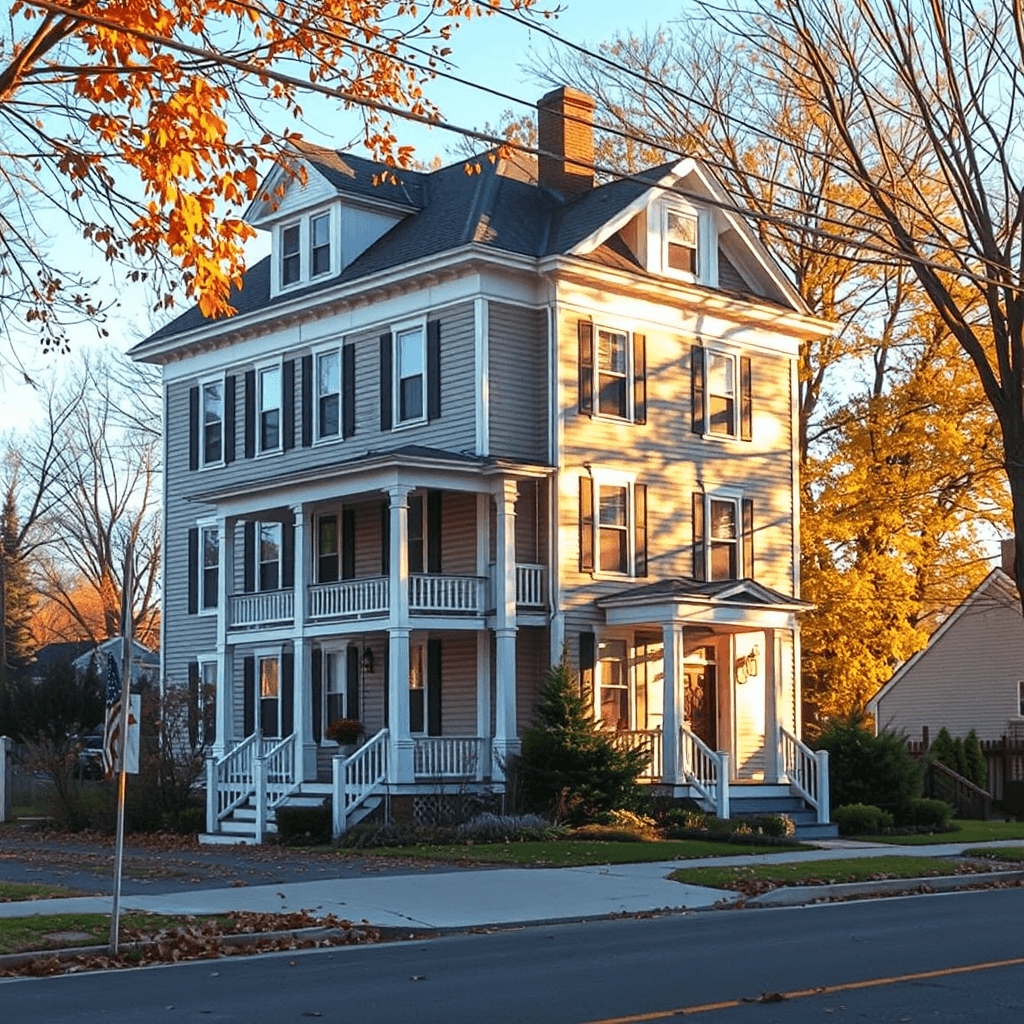
Rhode Island's iconic triple-deckers are investor gold. Buy a three-family for $500,000, live in one unit, rent the other two, and your tenants essentially pay your mortgage.
Example: Knightsville triple-decker
- Purchase price: $525,000
- Down payment (25%): $131,250
- Monthly mortgage (PITI): ~$3,800
- Rental income (2 units at $1,800 each): $3,600
- Your net cost to live: ~$200/month
FHA loans allow 3.5% down on multi-family properties up to four units if you live in one. This is the ultimate house-hacking strategy.
Providence's East Side
Strong rental demand from Brown and RISD students, plus medical residents and young professionals. Higher purchase prices but reliable cash flow.
Cranston and Warwick
More affordable entry points with solid working-class rental demand. Good for first-time investors testing the waters.
Newport and Coastal Areas
Seasonal rental potential through Airbnb and VRBO. Higher purchase prices but premium rental rates during summer months.
The Numbers That Matter
Before buying any investment property, run these calculations:
Cash Flow Analysis
Monthly rental income minus all expenses:
- Mortgage payment (PITI)
- Property management (8-10% of rent if using)
- Maintenance reserve (5-10% of rent)
- Vacancy reserve (5-8% of rent)
- HOA fees (if applicable)
Positive cash flow means the property pays for itself. Negative cash flow means you're subsidizing your tenants — acceptable if you're banking on appreciation, but risky.
Cap Rate (Capitalization Rate)
Net operating income divided by purchase price. Rhode Island investors typically look for 6-10% cap rates, depending on the area and property type.
Cash-on-Cash Return
Annual cash flow divided by your cash invested (down payment + closing costs + repairs). This tells you the actual return on your invested capital.
Financing Strategies for Building Your Portfolio
The House Hack Start
Buy a multi-family with FHA financing (3.5% down), live in one unit for a year, then buy another. Repeat until you have the portfolio you want.
The BRRRR Method
Buy, Rehab, Rent, Refinance, Repeat. Buy a distressed property with cash or hard money, fix it up, rent it out, then refinance to pull your cash out and do it again.
Portfolio Lenders
Once you have multiple properties, work with portfolio lenders who look at your entire portfolio's performance rather than each property individually.
Common Mistakes Rhode Island Investors Make
Underestimating Expenses
Maintenance, vacancies, property management, and capital repairs add up. Budget conservatively.
Ignoring Tenant Laws
Rhode Island has strong tenant protections. Know the law before you buy.
Overleveraging
Cash flow is your safety net. Don't stretch so thin that one vacancy puts you underwater.
Skipping Inspections
Investment properties often need more work than they appear. Always get a thorough inspection.
How Best Financial Helps Investors
At Best Financial Mortgage Services, we understand investment financing because we work with investors every day. As a broker, we have access to:
- Conventional investment lenders
- DSCR loan programs
- Portfolio lenders
- Commercial loan options
- Hard money referrals for fix-and-flip projects
We'll help you run the numbers, choose the right financing strategy, and close on time so you don't miss opportunities in Rhode Island's competitive market.
Ready to Get Started?
Real estate investing builds wealth, but only with the right financing. At Best Financial, we'll review your goals, analyze potential deals, and connect you with the lenders who can make your investment dreams reality.
Call 401-490-3210 or visit bestfinancialmortgage.com to discuss your investment strategy. Whether you're buying your first rental in Cranston or expanding your portfolio in Providence, we'll get you the financing you need.
Best Financial Mortgage Services | 108 Phenix Avenue, Cranston, RI 02920 | 401-490-3210 | NMLS #2485